

Research & Strategy · Automotive, Industrial Automation, Consumer Electronics
Taking a Japanese Automotive Component Manufacturer into New Growth Markets
$30B
Market by 2030
30+
Data sources analysed
8
Weeks to delivery
Market Expansion Strategy | Europe & Australia
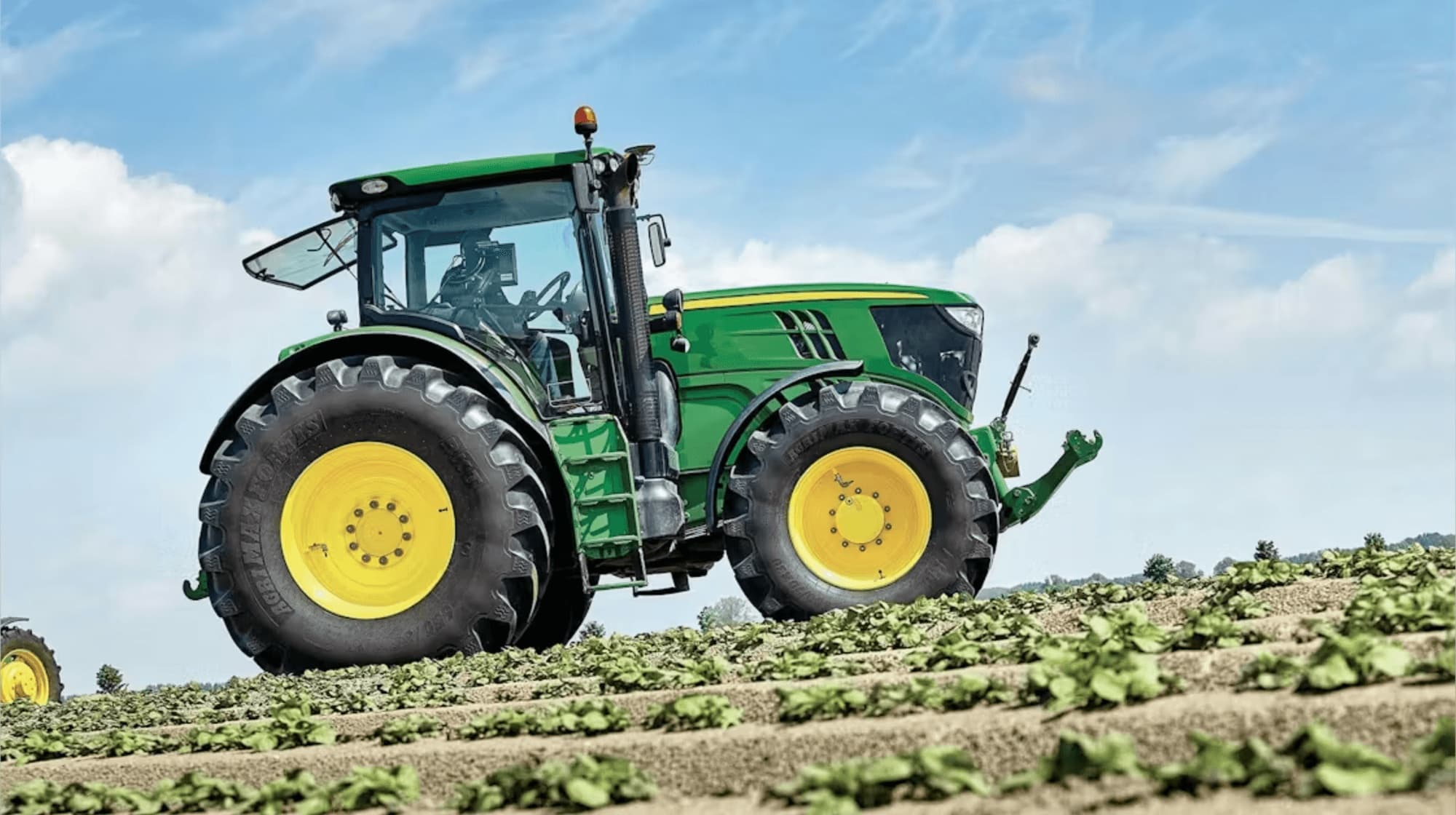
A Japanese rubber products manufacturer needed to determine where its products could gain traction within agricultural machinery. We analysed machinery demand, harvesting trends, supplier relationships and competitive conditions to identify the countries, customers and segments worth prioritising.
5
Weeks to delivery
6
Countries assessed
15+
Data sources analysed
8
Target appointments secured
The client wanted to expand its products into agricultural machinery markets across Europe and Australia, but the information required to make that decision was fragmented.
Understanding the opportunity meant looking beyond headline market size. The company needed to analyse combine production and sales, used-equipment activity and the relationship between agricultural output and machinery demand across six countries.
It also needed to understand an industry characterised by complex supplier relationships. Identifying an attractive market was only useful if the client could determine which machinery manufacturers and customer groups to target, and how entrenched incumbent suppliers were.
We built the analysis around the underlying drivers of agricultural machinery demand and the commercial relationships connecting manufacturers with their suppliers.
We engaged experts across harvesting and agricultural machinery markets in Europe and Australia and analysed more than fifteen international data sources, enabling us to compare equipment demand with broader harvesting and market trends.
We assessed target countries and customer segments according to factors including demand potential, competitive saturation and the structure of local machinery markets.
We used industry intelligence to understand existing supplier relationships, competitor market share and customer feedback, identifying where relationships were deeply embedded and where a new supplier had greater potential to gain access.
Research was translated into a targeted prospect universe so that market prioritisation could move directly into commercial outreach rather than remaining a theoretical exercise.
The client received a prioritised view of the agricultural machinery markets and subsegments offering the strongest potential, with a clear distinction between areas of high demand and markets where competitive saturation reduced the attractiveness of entry.
The analysis provided detailed intelligence on production, sales, used-equipment activity, pricing, market volumes and supplier relationships, giving the client a stronger basis for deciding where to allocate commercial resources.
Crucially, the work also moved beyond research. Eight appointments were secured with target organisations in the priority regions, providing a direct bridge from market strategy into business development and allowing the client to progress with both a strategic roadmap and an active prospect pipeline.
Research & Strategy · Automotive, Industrial Automation, Consumer Electronics
$30B
Market by 2030
30+
Data sources analysed
8
Weeks to delivery

Client Growth Programme · Industrial Automation, Electrification, Energy Storage, Advanced Technology
417
OEMs contacted
37
OEMs engaged
2
Design-in distribution partnerships established
Contact
This engagement may be relevant if you supply components or materials into machinery markets and need to determine which countries, OEMs or equipment segments provide the strongest route to growth before committing sales resources. If that sounds familiar, we would be glad to discuss it.